Every summer, thousands of Texans decide they want to "go camping" — then spend three hours on REI.com trying to figure out if they need a 15-degree bag in June. There's a simpler answer. But first, let's sort out what you're actually choosing between.
The Core Difference: Gear vs No Gear
The biggest practical difference between glamping and camping isn't comfort — it's who does the work.
Traditional camping: You bring a tent, sleeping bag, sleeping pad, camp stove, cookware, cooler, first aid kit, headlamp, and everything else you might need. You set it all up. You break it all down. You cook your own food over a fire or small stove. You sleep on the ground (or a pad on the ground). You use communal bathrooms or dig a cat hole. This is the classic camping experience — and for people who love it, that work IS the experience.
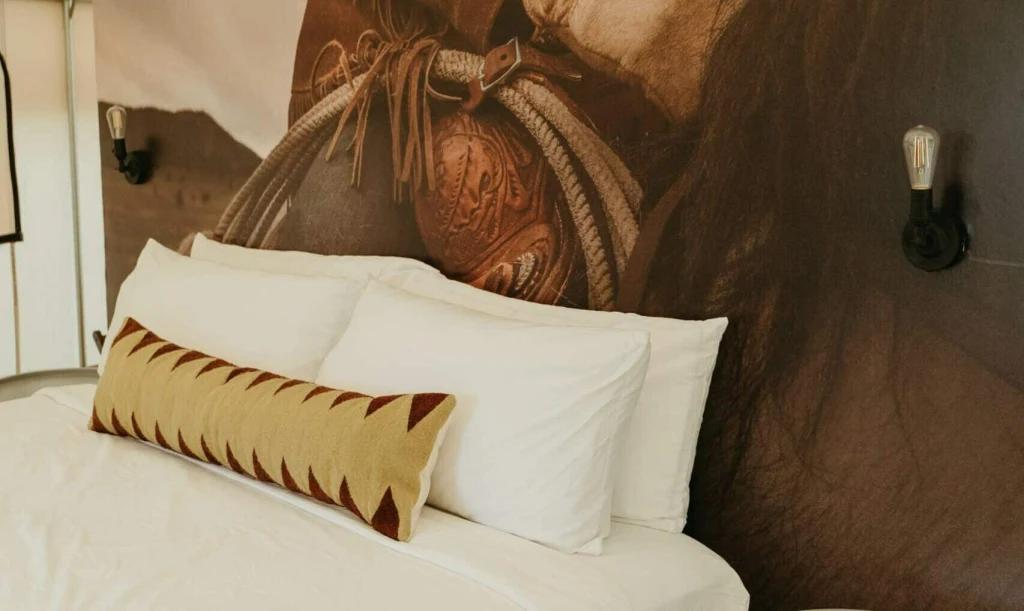
Glamping: You arrive. The tent or cabin is already set up. There's a real bed with a real mattress and real linens. There's a bathroom — private or at minimum a short walk away. There's climate control for when Texas decides it's 90 degrees at 10 PM. Someone else handles food or there's a bar on-site. You brought a swimsuit and your phone. That's about it.
What Glamping Includes (and What It Doesn't)
Glamping varies a lot by property, so it's worth knowing what "glamping" typically includes vs what you should confirm before you book.
What most glamping sites include:
- A furnished structure — safari tent, canvas bell tent, cabin, yurt, or treehouse
- Real bed and mattress with linens provided
- Climate control (A/C in summer, heat in winter — confirm this for Texas)
- Basic toiletries (soap, shampoo, towels)
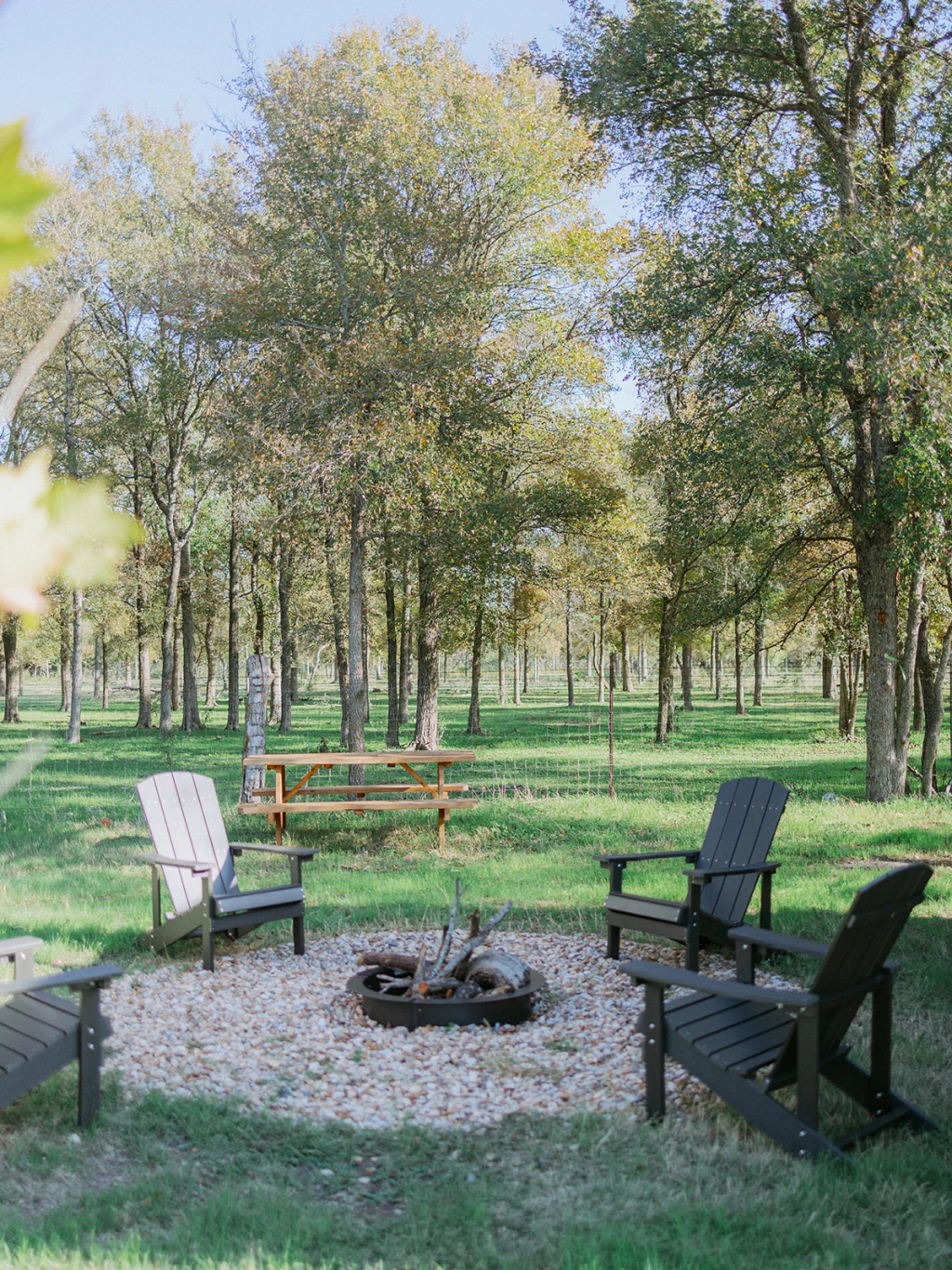
- Outdoor seating, fire pit or fire ring access
- Parking on-site
What varies by property (always confirm):
- Private bathroom vs shared bathhouse
- On-site food and drinks vs bring your own
- Pool or recreational amenities
- Pet policy
- Wi-Fi (most guests don't want it; some do)
- Kitchen or kitchenette vs no cooking facilities
At Rancho Moonrise, all units include real beds with full linens, A/C and heat, toiletries, and outdoor seating. The Lodge on-site has beer, wine, and snacks. The resort-style pool is open to all guests. Pets are welcome. Private bathrooms are in the cabins; safari tent guests use a dedicated bathhouse steps from their tent.
Glamping vs Camping: Cost Comparison
Glamping costs more than traditional camping — that's the honest answer. But the gap is smaller than most people assume once you account for gear.
A first-time camper who doesn't own gear needs to buy or rent a tent ($80–200), sleeping bags ($60–200 each), sleeping pads ($40–150 each), a camp stove ($50–120), a cooler ($40–200), and cookware ($40–100). That's $300–900 upfront before they ever sleep outside. If you're a family of four, multiply accordingly.
Glamping at a ranch near Austin typically runs $150–400/night depending on unit type and season. No gear required. That math shifts considerably when you're not starting from zero — and there's no setup time, no breakdown time, and no gear to store when you get home.
For people who already own and love camping gear, traditional camping remains more economical. For people who don't camp regularly or who are introducing kids or older family members to the outdoors, glamping often makes more sense on both cost and experience grounds.
Who Glamping Is Right For
Glamping tends to work especially well for:
- First-time outdoor sleepers — you want the nature experience without the gear-learning curve
- Mixed groups — one person in your group loves the outdoors, one person will absolutely not sleep on the ground. Glamping bridges that gap.
- Families with young kids — a real bed for a toddler changes everything. So does a bathroom that isn't a hole in the ground.
- Hot Texas summers — camping in Central Texas in July and August is genuinely uncomfortable. Glamping with A/C makes summer trips viable.
- Special occasions — bachelorette weekends, milestone birthdays, anniversary trips. Glamping has a resort feel that traditional camping doesn't.
- People who work all week — you want 48 hours of nature, not 48 hours of labor. Show up, unpack, float in the pool.
Who Traditional Camping Is Right For
Traditional camping is the better choice when:
- You already own gear and genuinely enjoy setting up camp
- You want deep backcountry access that glamping sites can't offer
- Budget is the primary constraint and you have all the gear you need
- The self-sufficiency and challenge of camping is part of what you're after
- You're planning to be somewhere remote — a state park, national forest, or trail-access site — not near a city
Both are valid. They're different products for different goals.
Glamping Near Austin, Texas
The closest glamping to downtown Austin is at Rancho Moonrise — 20 minutes east of the city on 36 acres of open ranch land. The property has safari tents and hand-crafted cabins, a resort-style pool with a hot tub, fire pits throughout the property, donkeys at the fence line, and live music events most weekends.
What makes Rancho Moonrise worth considering over options farther out:
- 20 minutes from downtown — you can be back in Austin for dinner Sunday without losing half your day to a drive
- No gear — beds, linens, toiletries, and towels in every unit
- Pool on-site — a full resort-style pool and hot tub, not a creek you have to hike to
- Events calendar — live music, yoga poolside, crawfish boils, seasonal dinners — happening right on the property
- Pets welcome — bring the dog
Check Availability at Rancho Moonrise
Common Glamping Questions
Most glamping properties provide bedding, towels, and toiletries. You typically need clothes, personal items, sunscreen, and anything activity-specific — swimsuit, hiking shoes, a good book. At Rancho Moonrise, the bar in the Lodge handles drinks. You show up light.
Glamping sits in its own category. It shares the outdoor setting and nature-adjacent experience of camping but replaces the gear, setup, and discomfort with real beds and amenities. Most people who book glamping don't consider it "camping" — they consider it an outdoor hotel experience.
Yes — glamping is often better for kids than traditional camping. Real beds, actual bathrooms, and climate control remove most of the friction that makes camping hard with young children. Rancho Moonrise welcomes families, and the ranch setting — donkeys at the fence, open pastures, a pool — tends to be a hit with kids.
Yes. Bastrop State Park (35 min east), McKinney Falls State Park (20 min southeast), and Pedernales Falls State Park (45 min west) all have traditional tent and RV camping with reservations through Texas State Parks. If you have gear and prefer that experience, those are solid options. If you want something closer to a resort experience without the drive, Rancho Moonrise is 20 minutes from downtown.